Insights
Supply Chain Project Delivery: From Business Case to Go‑Live
Most warehouse automation projects don't fail because the technology was wrong. They fail because no one owned the gap between the consultant's last slide and the warehouse floor's first shift.
10. may 2026
9 min
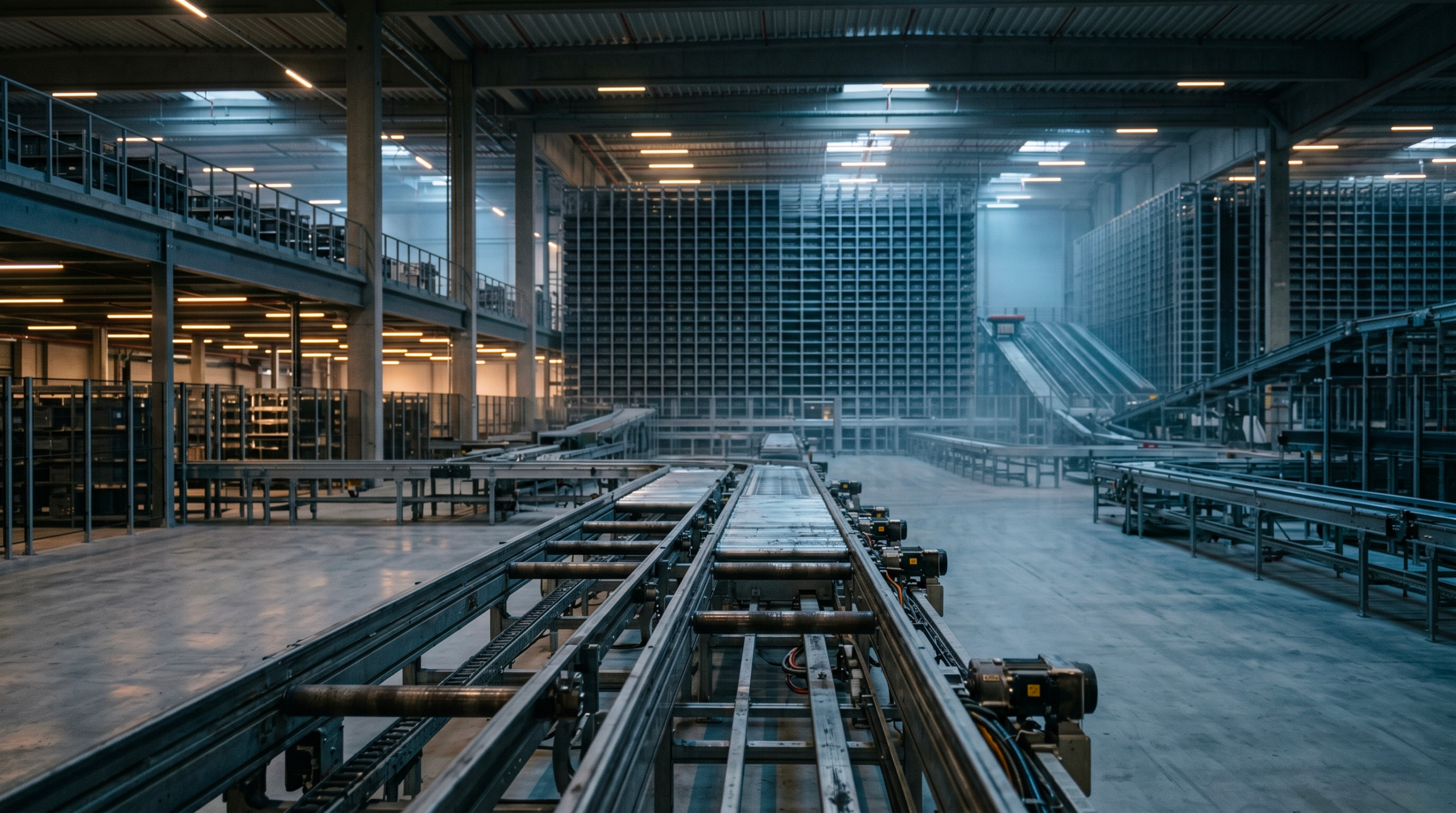
Why supply chain projects fail (and what it costs the CFO)
You sign off the CAPEX. The business case stacks up. The vendor demos look clean. Eighteen months later you're explaining to the board why the warehouse is running at 60 percent of designed throughput, why launch slipped two quarters, and why the integrator and the WMS vendor are still in escalation calls instead of operating the site.
Roughly 60 percent of supply chain projects miss budget, timeline, or both. The pattern barely changes across automotive, retail, e‑grocery, or wholesale.
It rarely comes down to bad technology or a flawed strategy. The failure mode is structural. No single team owns the project from feasibility to hypercare. Vendors blame each other. Costs creep 30 percent. Operations is asked to run the business and absorb a complex multi‑vendor build at the same time. By the time the cost is visible on a P&L, the recovery options are expensive and slow.
This is a delivery problem, not a technology one. Supply chain project delivery is the discipline that closes that gap.
What supply chain project management actually means
Supply chain project management is the end‑to‑end orchestration of a complex implementation, from feasibility and vendor selection through design, build, integration, go‑live, and hypercare, with one team accountable for the operational outcome.
It is not the same as generalist project management. The project lead has to read material flow diagrams as fluently as Gantt charts. They need to know why a particular merge point will throttle your shuttle system at peak, what FAT looks like when a vendor is trying to skip steps, and how to sequence a chilled fulfillment center go‑live without taking the store offline.
PMP gets you a methodology. Supply chain delivery requires the methodology and twenty years of warehouse floors.
The five phases of a warehouse automation project
- Business case and feasibility. Throughput modelling against realistic scenarios (growth, seasonality, failure modes), independent ROI projection, and a feasibility gate that the technology vendor does not own. Letting the vendor build your business case is a conflict of interest the board should never approve.
- Tendering and vendor selection. Vendor‑neutral RFP, functional specification, technical scoring on more than headline price, risk‑weighted contract structure. Done by someone who has run dozens of these, not by someone reading the vendor's demo deck.
- Design and engineering. Layout, automation configuration, WMS and WCS setup, process design, integration architecture. Independent design review against the original specification catches expensive gaps before they get built.
- Implementation and integration. Multiple vendors working in parallel: automation, software, conveyors, racking, fire suppression, civil works. FAT, SAT, and integration testing across systems (WMS, WCS, ERP). Ramp‑up planning is the most underestimated piece in this phase.
- Go‑live and hypercare. Operational readiness assessment, contingency plans, parallel running, and four to twelve weeks of structured hypercare. Orders ship on day one, or customers leave.
A clean delivery is a series of well‑managed handovers between these phases. A failed one is the same five phases with a different vendor blamed at each gate.

The three failure modes we see on every recovery project
We have run delivery on automation and WMS projects across six countries. The pattern of failure is remarkably stable.
Vendor blaming
When five vendors are on site, finger‑pointing is the default. The automation supplier blames the integrator. The integrator blames the WMS vendor. The WMS vendor blames the data. None of them are accountable for whether the warehouse ships orders on Monday morning.
The fix is structural, not contractual. One independent delivery partner sits above the vendors, owns the integrated timeline, and has the authority and the technical depth to break ties. Contracts allocate risk. Independent vendor evaluation and delivery accountability are what actually resolve conflicts.
Scope creep without control
Requirements change during implementation. That is normal. What is not normal is approving every change request without quantifying cost, timeline, and risk impact, then noticing six months later that the budget has grown 40 percent.
Disciplined change management is unglamorous and unbypassable. Every change goes through the same gate: cost delta, schedule impact, risk profile, alternatives considered. The CFO sees the cumulative impact monthly, not at the end.
Generic project managers in a specialist role
A senior PM who has never stood on a warehouse floor can manage a status report. They cannot tell you whether the proposed pick face strategy will actually hit your peak SKU velocity, why your conveyor merge will become a bottleneck at 70 percent volume, or how to phase a go‑live across chilled, ambient, and frozen.
Operational decisions get made every day on a delivery. If the PM cannot make them, the vendors make them, and the outcome optimises for the vendor's scope, not yours.
Proof: three projects, three outcomes
Rohlík Group: ten plus AutoStore deployments across Europe
The challenge. Rohlík Group, Europe's leading e‑grocery operator (€1.1B revenue, five countries) needed to scale automated fulfillment across Prague, Munich, Berlin, Vienna, and Budapest. Each site combined AutoStore, Brightpick robotic picking, conveyor, and a multi‑layer software stack. Timelines were aggressive. Failed launches were not an option, since each site was operating against existing customer commitments.
What we delivered.
- Expert PMO across six fulfillment centers in five countries over four years
- First chilled AutoStore deployment in Europe (Prague: 44,000 bins, 265 robots)
- Munich flagship (28,000 bins, 96 robots, 53 Brightpick dispatchers)
- Automation blueprint replicated across all markets
- Integration of AutoStore, Brightpick, Sereact AI picking, and conveyor under single delivery accountability
Results. 100 percent overall productivity gain. 300–400 percent improvement in the highest‑density zones. One‑year payback. New hire onboarding compressed from days to one hour. Blueprint re‑deployed in three additional cities.
→ Read the full Rohlík Group case study.
Škoda Auto Kvasiny: fully automated small parts warehouse
The challenge. Škoda Auto required a fully automated small parts warehouse (AKL) at the Kvasiny plant, covering the full flow from goods receipt to sequenced supply at the assembly line.
What we delivered.
- End‑to‑end project delivery from design through commissioning
- Replacement of 42 manual workstations with automated storage and retrieval
- Vendor coordination across automation hardware, WCS, and ERP integration
Results. 42 manual workstations eliminated. €1.07M saved annually. ELA European Award for Logistics Excellence winner.
→ Read the full Škoda Auto Kvasiny case study.
Knuspr Munich: from concept to live in eight months
The challenge. Knuspr (Rohlík's German brand) needed a high‑speed automated fulfillment center in Munich to enter and hold position in one of Europe's most demanding e‑grocery markets. Time‑to‑market was the binding constraint.
What we delivered.
- Project management end‑to‑end, from vendor evaluation to go‑live
- AutoStore (Element Logic), Brightpick Dispatcher, and conveyor integration
- Robot‑as‑a‑Service (RaaS) commercial model negotiation
- Eight months from concept to operational site
Results. Productivity doubled. 60,000 plus orders per month. 15‑minute delivery slots held against SLA. Blueprint for further European expansion validated.
→ Read the full Knuspr case study.

Logio has always been able to go the extra mile beyond the definition of the task. I appreciate very much that it wasn't just a 'consulting hour paid for', but that it was a solution delivered with heart, which in this case helped Rohlik become a profitable company in such a difficult industry as e‑grocery.
When the CFO needs a delivery partner
- A CAPEX project is approved. New warehouse, automation, or distribution center. You need someone to deliver from sign‑off to operating run‑rate.
- You are replacing WMS or ERP. You need vendor‑neutral oversight that the new system actually works in your environment, not just in the demo.
- A project is in trouble. Timelines have slipped, costs are climbing, vendors are escalating to each other. You need an experienced operator to step in and stabilise the recovery.
- You are scaling across countries or sites. A one‑off project plan becomes a liability. You need a reusable blueprint, owned by a partner who already has it.
- Your operations team is at capacity. They are running the business. Asking them to also run a multi‑vendor build is how launches slip and operational risk compounds.
How Logio runs delivery
One partner, not five vendors. We own the integrated timeline and coordinate every party: automation, software, construction, internal operations. When something breaks, and on a complex multi‑vendor build something will, we resolve it. You do not chair the escalation calls.
Supply chain experts on the floor. Our project leads have spent years in warehouses, on production lines, and in fulfillment centers. Throughput, ramp curves, and integration constraints are first‑language fluency, not training.
Vendor‑neutral by structure. We recommend and manage the solution that fits your operation, whether that is AutoStore, shuttle, AGV, AMR, robotic picking, or optimised manual processes. We do not sell hardware. Our incentives are aligned with your operational result, not a vendor's order book.
Blueprint reuse. Every successful project is documented: processes, configurations, lessons learned, vendor performance. The next site is faster, cheaper, and lower risk.
Accountable through go‑live and beyond. We do not leave when the plan is signed. We stay through implementation, go‑live, and hypercare. Success is measured against your operational KPIs, not our billable hours.
→ Explore our full approach to project delivery management.
Frequently asked questions
How long does a warehouse automation project take?
Greenfield automated warehouse: typically 12 to 18 months from feasibility to go‑live. Brownfield retrofit: 6 to 12 months. Our fastest delivery was a four‑week sprint for a Vienna fulfillment center, only possible because the blueprint was already validated.
What is the typical ROI of a warehouse automation project?
ROI is driven by labour intensity, peak volume, and SKU profile. Rohlík's Munich site achieved one‑year payback. Škoda Kvasiny saves €1.07M annually. Well‑designed automation in high‑labour‑cost environments typically pays back in two to four years.
Can Logio take over a project that is already in trouble?
Yes. Project recovery is one of our most common engagements. The first step is always an independent assessment of where the project stands against contract and operational targets, followed by a recovery plan with named accountabilities and measurable milestones.
Does Logio work with specific automation vendors only?
No. We are vendor‑neutral. Delivery experience covers AutoStore, shuttle systems, AGVs and AMRs, robotic picking (Brightpick, Sereact), conveyor systems, and multiple WMS and WCS platforms.
Which industries does Logio serve?
Automotive (Škoda Auto, Volkswagen Slovakia, Continental), e‑commerce and grocery (Rohlík Group, Knuspr, Košík), brewery and FMCG (Plzeňský Prazdroj, Radegast), industrial distribution (Schneider Electric), and retail (dm drogerie, Sportisimo).
Ready to deliver your next project on time and on budget?
Whether you are starting a new automation project, recovering a stalled one, or scaling a proven blueprint across markets, Logio can help.
Bring us the project. We will review it, share what we have seen on comparable deliveries, and outline how to take it from business case to go‑live without surprises.
Next on blog
Perspectives
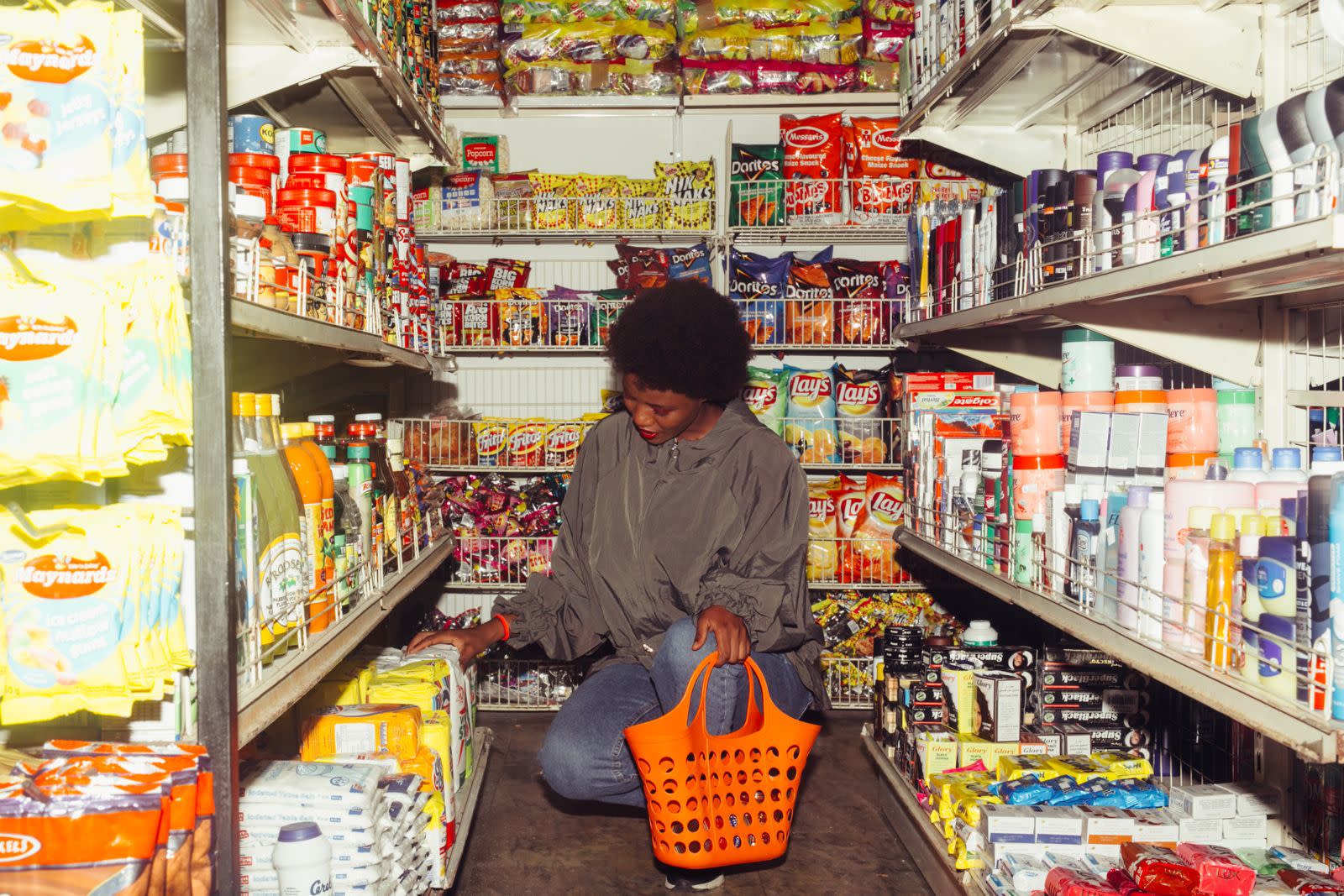
Inventory optimization does not end with the right quantity
Most debates about inventory optimization circle the same question: how much stock to hold. Ondřej Klement, Chief Delivery Officer at Logio, points elsewhere — what decides the outcome is how fast a company finds out the forecast was wrong. Retail News used one quote from his answers; here is the full argument.
14. september 2026
4 min
Interviews & stories
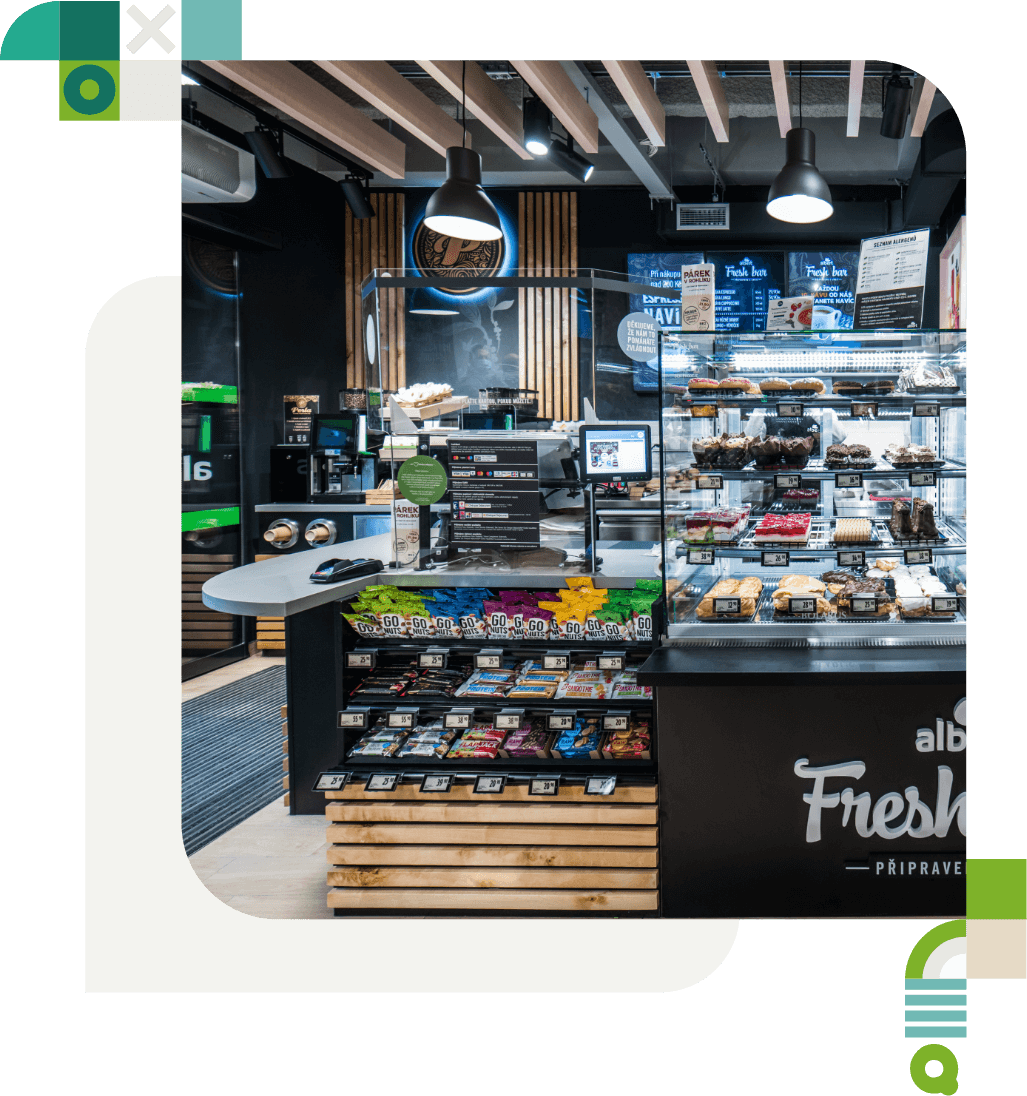
Our Cooperation with Albert
Sometimes, big changes are born from a simple decision. A decision of one company to work with another. A decision to be equals, to be partners. The story of Albert and Logio is exactly this kind of story. The journey was not easy, but everyone who walked it came out stronger. Everything was possible because of only one thing: a great vision and the courage to realize it.
06. may 2026
4 min
Interviews & stories
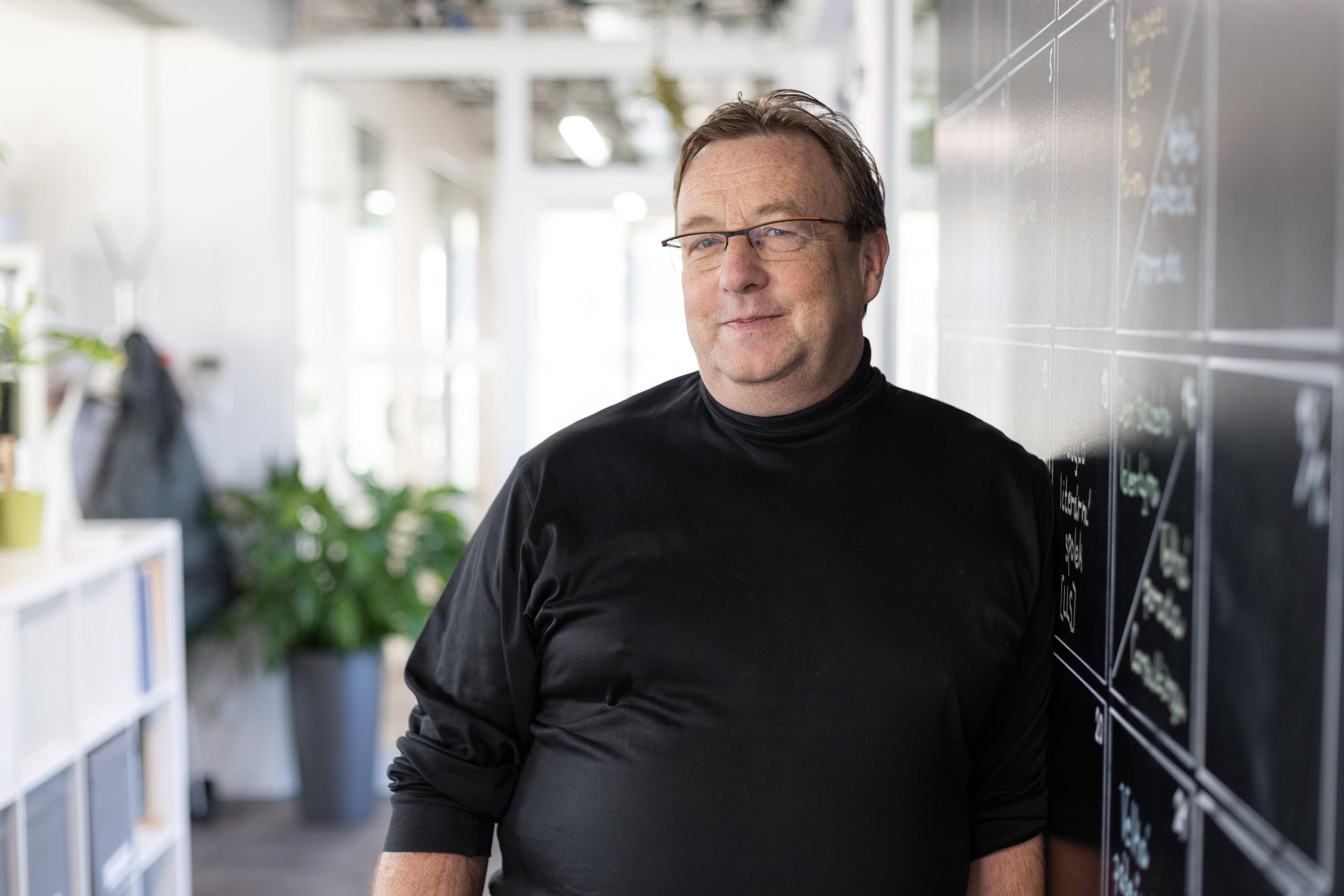
Project Albert: Oto Hausmann
As part of the Albert project, we interviewed the former project manager and current CEO of Logio, Oto Hausmann. He describes what managing such a complex project entailed.
06. april 2026
4 min