Insights
Why retail needs agents, not another dashboard
Retail has spent a decade integrating systems and putting data in front of people on dashboards. Petr Tulach, CTO of Logio, explains why that work was necessary but not enough, and what changes when AI agents act on the data instead of reporting it.
23. february 2026
4 min
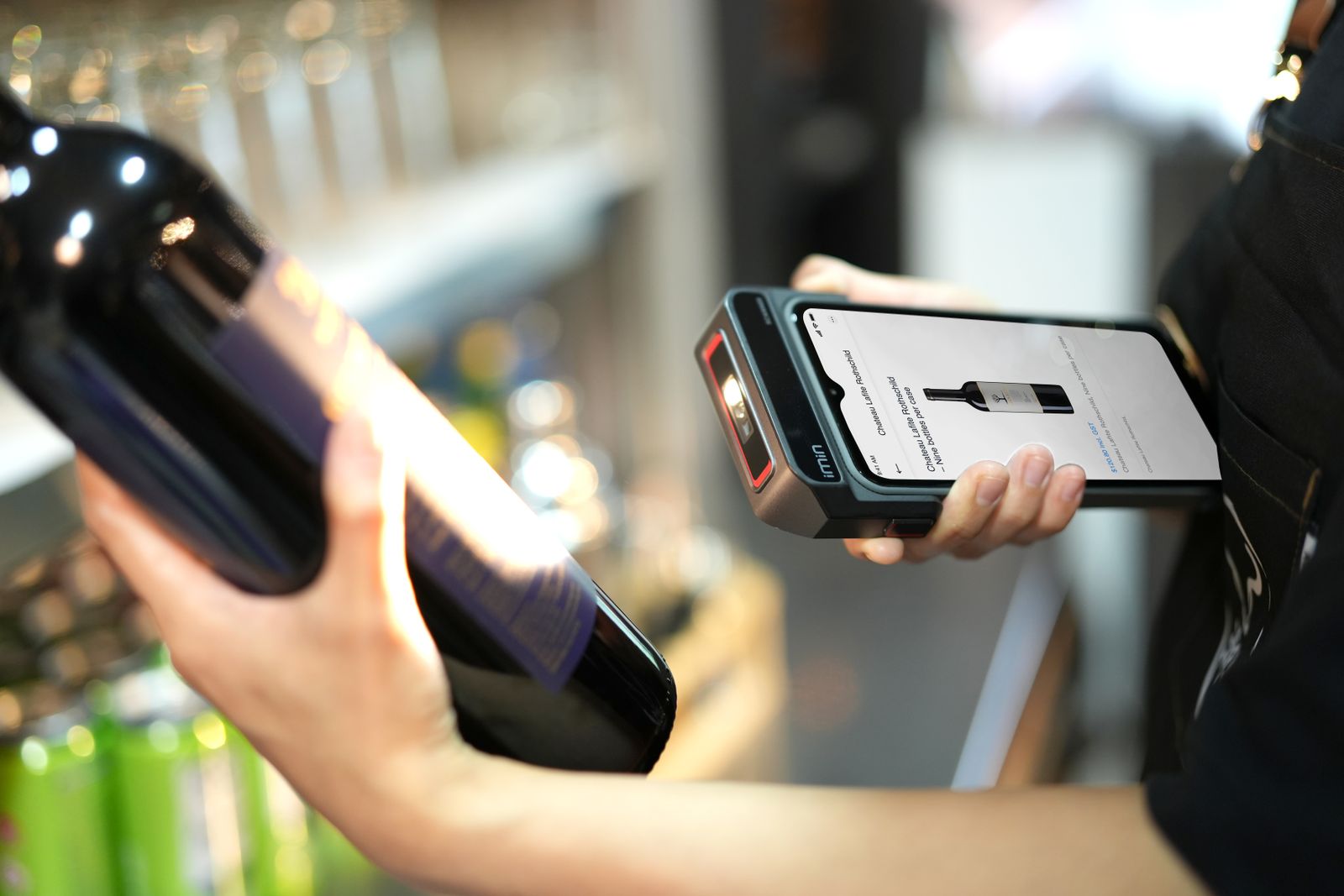
Retail has spent a decade integrating systems and putting data in front of people on dashboards. Petr Tulach, CTO of Logio, explains why that work was necessary but not enough, and what changes when AI agents act on the data instead of reporting it.
From integrated systems to autonomous agents
Over the past decade, retail focused on connecting ERP, POS, e‑commerce platforms, loyalty programmes and warehouse systems, and on serving the data from them to people through dashboards and reports. That work was necessary, but it still left the business heavily dependent on manual effort, local “Excel experts” and tacit know‑how locked in employees' heads. Agentic AI adds a new layer: instead of only analysing and visualising, AI agents can pursue goals, call tools and take actions across systems – adjusting parameters, proposing orders or preparing price changes for approval. Digitalisation moves from “better reporting” to “continuous autonomous optimisation” of day‑to‑day operations.
Small change adds up
Traditional automation focused on a relatively small number of big, high‑impact decisions: central pricing strategies, major promotions, chain‑wide inventory policies. Who hasn't heard of the 80:20 rule? Yet the real value in retail is often hidden in thousands of micro‑decisions: a minimum stock level set slightly wrong in one store, a local competitor promotion nobody noticed, a forgotten slow mover taking up shelf space and capital. Each of these cases is too small to justify a manager's attention, perhaps too small to deserve human attention at all; together, they make the difference between average and excellent performance. Agentic AI is made for this space: agents can scan data continuously, detect anomalies, propose or carry out corrective actions and learn from the results, without burning out or losing focus. In practice that means more accurate replenishment, fewer stockouts, less excess inventory and smoother execution in stores and distribution.
New dimensions: voice, translation and vision
Recent advances in speech recognition, multilingual models and computer vision are dramatically widening what counts as “data” in retail. Store staff can describe problems by voice instead of filling in forms; AI can transcribe the recording, understand the intent and trigger a workflow – create a task, adjust a parameter or ask a follow‑up question. Multilingual models make it realistic to support international trade, for example receiving and answering orders while communicating with every user in their own language. Computer vision models can analyse photos of shelves, back rooms or price tags, detect missing products, planogram breaches, wrong prices or safety risks, and pass this information straight to planning and optimisation agents. Together, these capabilities let retailers draw knowledge not only from databases but also from conversations, images and documents that were invisible to traditional systems.
How to put AI into practice
You don't need a “big bang”, and it isn't realistic to expect AI to solve all your problems for you, or even the hardest ones you're stuck on. Start with tasks where people add very little value, the work is routine and they act mostly as a human interface between systems.
Start with one measurable use case
Pick a domain with a clear P&L impact – typically where data is retyped by hand, where there is a lot of email communication and where people work in Excel (imports and exports from systems) – and define a limited scope in which the AI agent will at first only propose actions under your control. Measure improvements in availability, waste reduction, margin or utilisation, so you build trust inside the company and can keep tuning the setup.
Design how people and agents work together
Decide explicitly which tasks AI should only propose, which it may carry out automatically and what must stay under human control. Accept that AI will make mistakes (we humans make them too), and focus on transparency, feedback loops and quick correction rather than unrealistic perfection. In a few years, using AI agents will feel as natural as driving a car instead of a horse‑drawn cab. And not relying on paper mail.
A milestone passed quietly
Retail digitalisation has quietly passed an important milestone: most retailers who were serious about digitalisation have already integrated their core systems and structured huge volumes of data. The real turning point is coming only now, with agentic AI. It can finally handle the long tail of small, previously overlooked decisions efficiently.
Where this appeared
Agentní AI v retailu: Od reportingu k autonomní optimalizaci (Agentic AI in retail: from reporting to autonomous optimisation), Petr Tulach, IT Systems 1–2/2026 · sklad.cz (in Czech)
Next on blog
Perspectives
Measure forecast accuracy in profit, not in percentage points
In its October issue, Czech trade monthly Retail News asked retailers and technology vendors what demand forecasting delivers today. Ondřej Klement, Chief Delivery Officer at Logio, answered three questions: how much an algorithm improves the forecast, how to handle spikes and gaps in the data, and where automation should stop. The print edition ran shortened quotes; here are his full answers.
02. november 2026
3 min
Interviews & stories
How an automated warehouse gets built: the story of the Prazdroj project
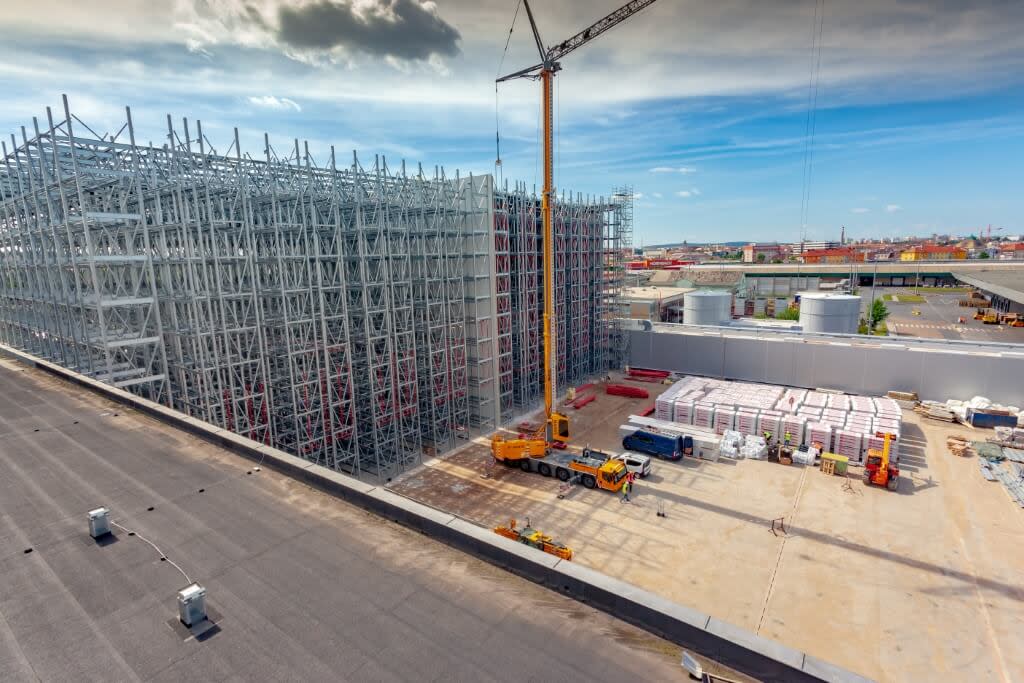
Plzeňský Prazdroj’s fully automated warehouse went live on 26 January 2023. It started years earlier with a feasibility study in which we compared levels of automation and looked for the option that made economic sense. This is the story of the project in four stages, from the business case to the first pallets on the racks.
17. september 2026
4 min

Perspectives
Inventory optimization does not end with the right quantity
Most debates about inventory optimization circle the same question: how much stock to hold. Ondřej Klement, Chief Delivery Officer at Logio, points elsewhere — what decides the outcome is how fast a company finds out the forecast was wrong. Retail News used one quote from his answers; here is the full argument.
14. september 2026
4 min