Interviews & stories
How an automated warehouse gets built: the story of the Prazdroj project
Plzeňský Prazdroj’s fully automated warehouse went live on 26 January 2023. It started years earlier with a feasibility study in which we compared levels of automation and looked for the option that made economic sense. This is the story of the project in four stages, from the business case to the first pallets on the racks.
17. september 2026
4 min
Plzeňský Prazdroj’s fully automated warehouse went live on 26 January 2023. It started years earlier with a feasibility study in which we compared levels of automation and looked for the option that made economic sense. This is the story of the project in four stages, from the business case to the first pallets on the racks.
How it started
The best‑known Czech brewer was planning to expand production capacity. That created a need to consolidate storage locations and increase storage capacity. Our job was to compare different warehouse types and recommend a concept that would meet the capacity requirements and still be cost‑effective.
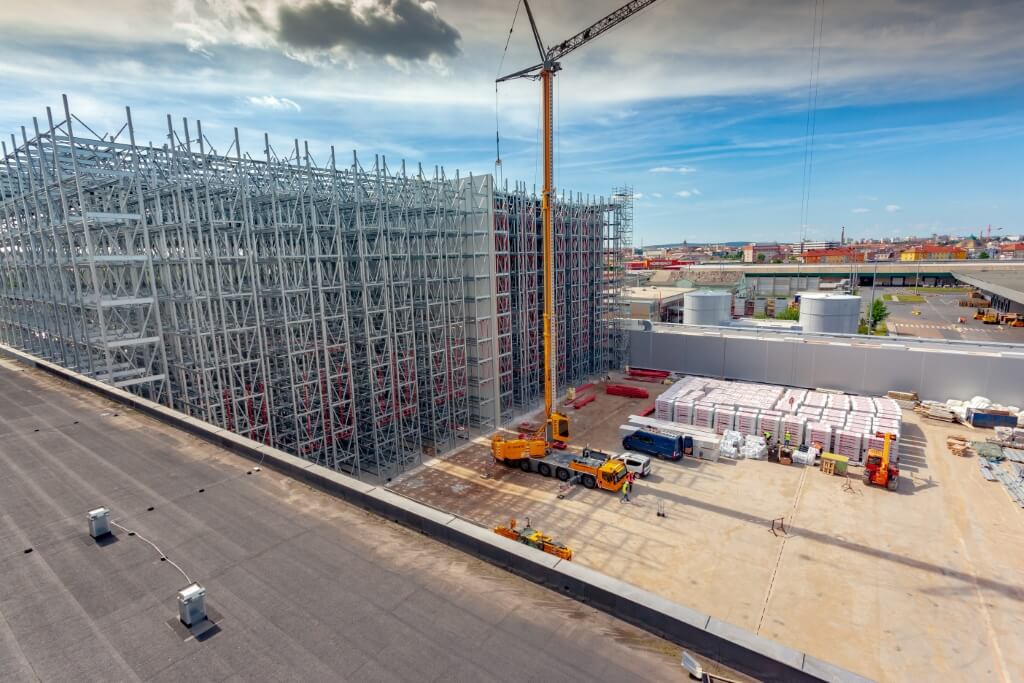
The answer was a fully automated pallet warehouse roughly 30 metres high, placed inside the brewery site close to the central bottling hall. It is being built in two phases that differ in capacity and required throughput. Phase one holds 16,000 pallets; in the target state after phase two it will hold up to 42,000 pallets at a throughput of 360 pallets per hour in continuous operation.
1. Feasibility study
In the preparatory phase we compared different levels of automation and built the business case. It might look like an automated warehouse is mainly about picking the technology. It isn’t.
The design has to account for process requirements, the options for connecting to existing operations and to IT, ergonomics, occupational safety and fire safety. And it has to solve maintenance of the technology during operation, the part that gets forgotten most often. That foundation is what lets you defend the investment and run a tender that compares comparable bids.
2. The dream becomes real
The delivery phase started with detailed technology planning and preparation of the project documentation. Our role here was to make sure every technology requirement made it into the specification, to moderate review days with the specialist teams, to challenge the proposed technology and construction solutions, and to offer alternatives from projects we had already delivered.
The warehouse is linked to the central bottling hall by a monorail that brings pallets of beer to the high‑bay warehouse. Ten single‑mast stacker cranes serve it. They store into double‑deep racking and at the same time prepare beer for dispatch. The dispatch area uses conventional roller and chain conveyors to prepare truck loading.
3. Implementation
Once the basic structure was up, the technology itself had to be implemented. All of it has to run like clockwork and work together without hesitation.
The link between production, the warehouse and dispatch is the monorail and the conveyors that follow it. The monorail is flexible, has high capacity and suits goods that are prone to damage over longer distances. At speeds up to 2 m/s it handles up to 600 pallets per hour.
Pallets pass through transfer points into the warehouse itself, built as double‑deep pallet racking. Automated storage and retrieval cranes serve it and can handle two pallets at once. On retrieval the pallet goes back the same way onto the monorail and travels to primary distribution dispatch, to secondary distribution, or to the mixing line.
4. Going live
Test pallets had run through the warehouse and the official opening took place in front of the media on 26 January 2023.
The warehouse stands inside the Pilsen brewery site on 10,000 square metres, roughly one and a half football pitches. The main building is a clad, rack‑supported structure. The technology inside makes it the most modern warehouse Prazdroj operates and one of the most modern of its type in the Czech Republic.
Goods travel from the filling line into the warehouse on an automated pallet shuttle system of 28 carriers, so‑called gondolas, running on rails more than half a kilometre long in total. Bottles and cans are taken over inside the warehouse by automated crane stackers with energy recuperation, which saves electricity.
The rack‑supported system holds up to 16,000 pallets, roughly 18 million beers. Total storage capacity at the brewery grew by more than 20 percent. Three retention tanks are built underground and capture up to 838 m³ of rainwater, which the brewery reuses to cool production technology and for the neighbouring Gambrinus brewery.

I like the fair approach. We do not work as supplier and customer, I see the whole cooperation as a strategic partnership.
The end? It is only the beginning
Plzeňský Prazdroj and the whole project team did a serious piece of work, and it pays off now, in daily operation. Phase two will take the warehouse to its target capacity of 42,000 pallets.
The brief, the course of the project and the results are summarised in the Plzeňský Prazdroj case study.
Next on blog
Perspectives
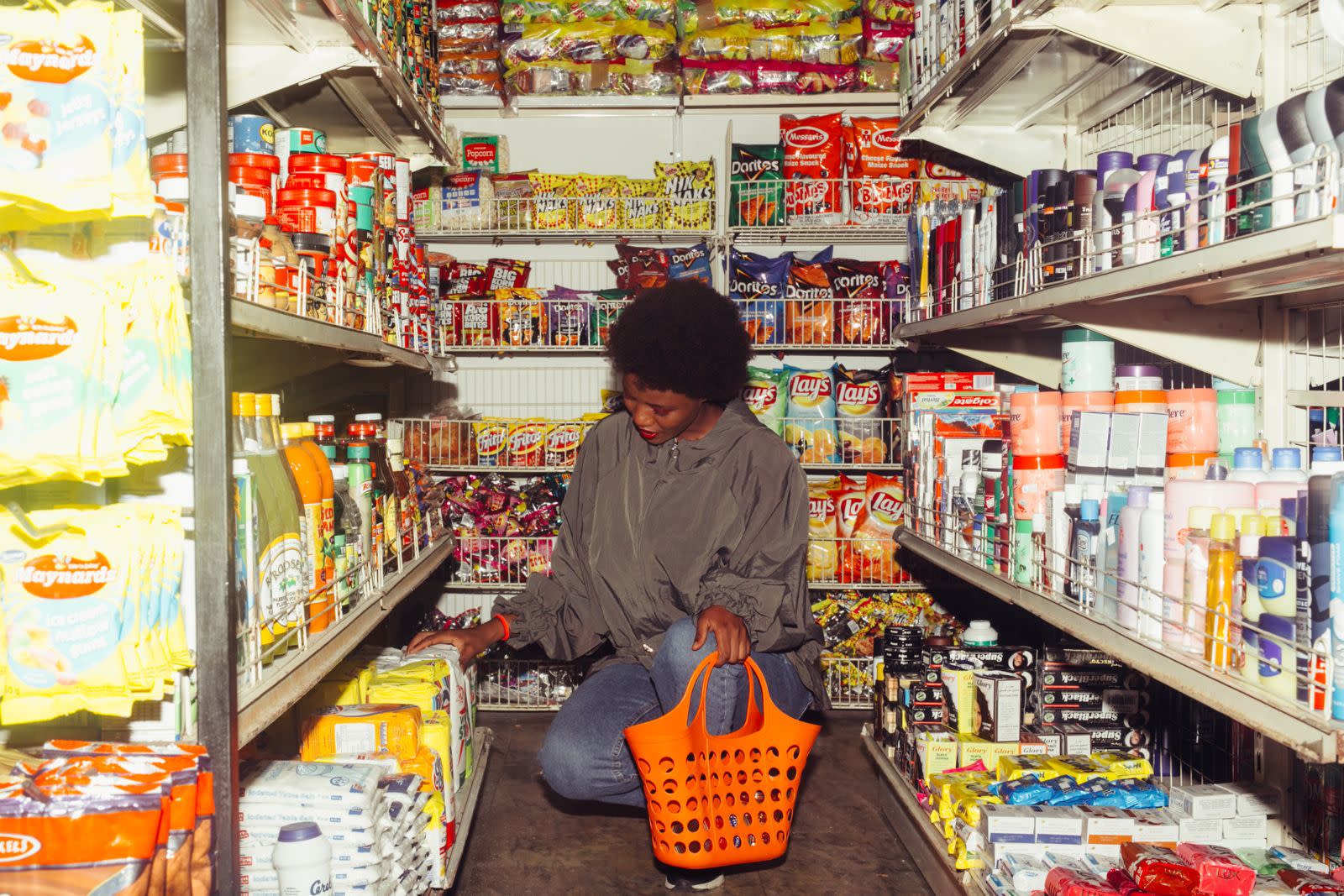
Inventory optimization does not end with the right quantity
Most debates about inventory optimization circle the same question: how much stock to hold. Ondřej Klement, Chief Delivery Officer at Logio, points elsewhere — what decides the outcome is how fast a company finds out the forecast was wrong. Retail News used one quote from his answers; here is the full argument.
14. september 2026
4 min
Insights
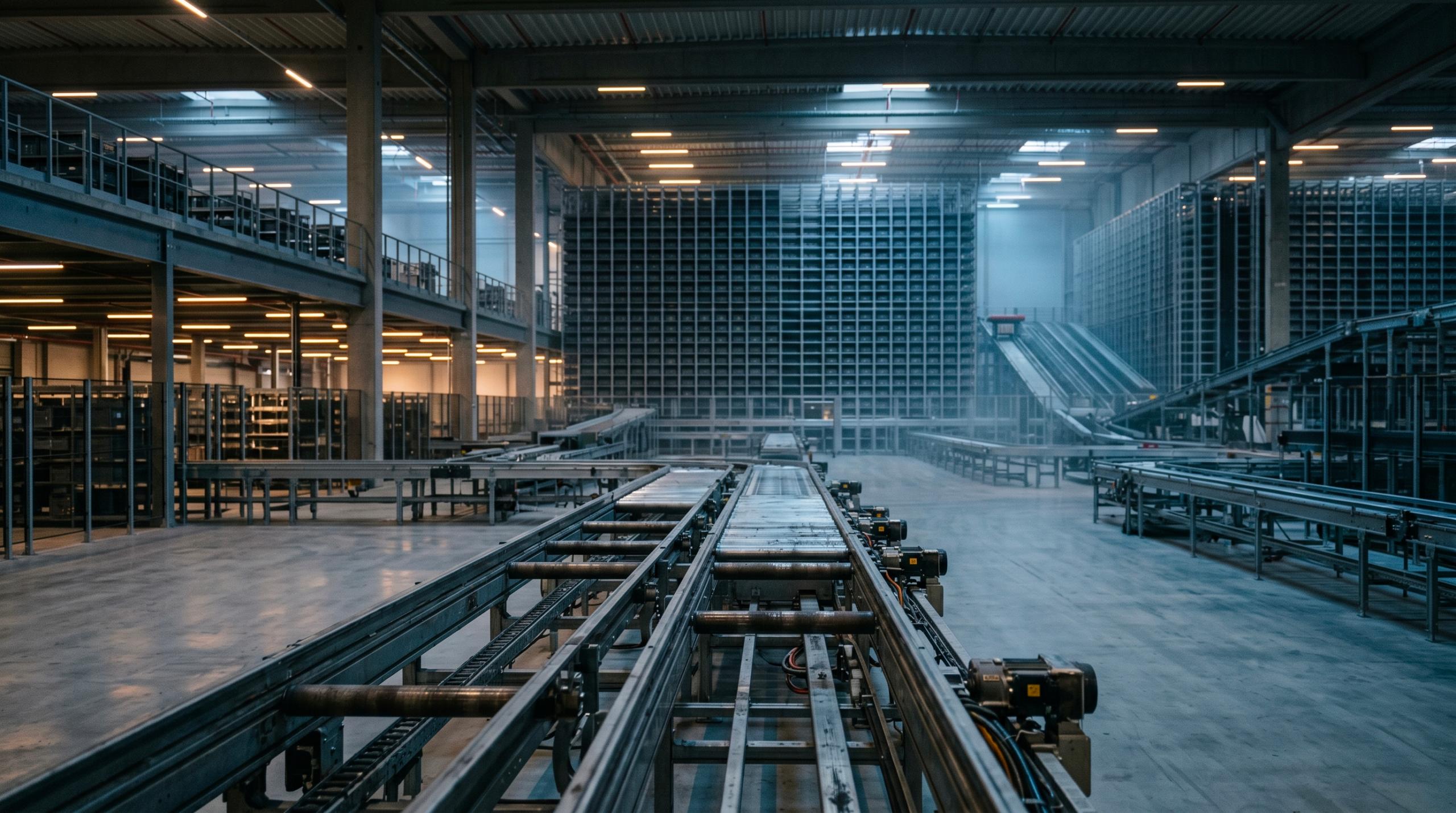
Supply Chain Project Delivery: From Business Case to Go‑Live
Most warehouse automation projects don't fail because the technology was wrong. They fail because no one owned the gap between the consultant's last slide and the warehouse floor's first shift.
10. may 2026
9 min
Interviews & stories
Our Cooperation with Albert
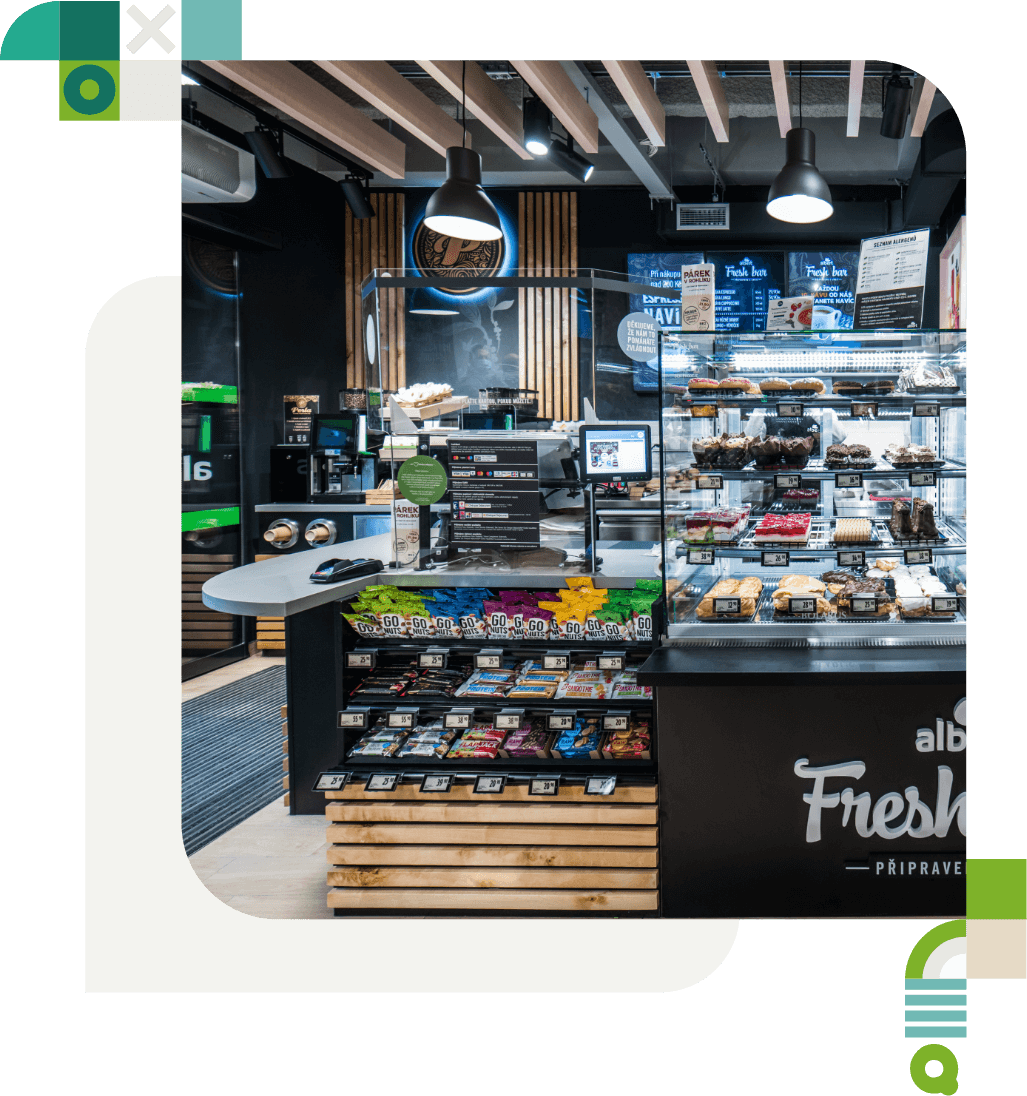
Sometimes, big changes are born from a simple decision. A decision of one company to work with another. A decision to be equals, to be partners. The story of Albert and Logio is exactly this kind of story. The journey was not easy, but everyone who walked it came out stronger. Everything was possible because of only one thing: a great vision and the courage to realize it.
06. may 2026
4 min